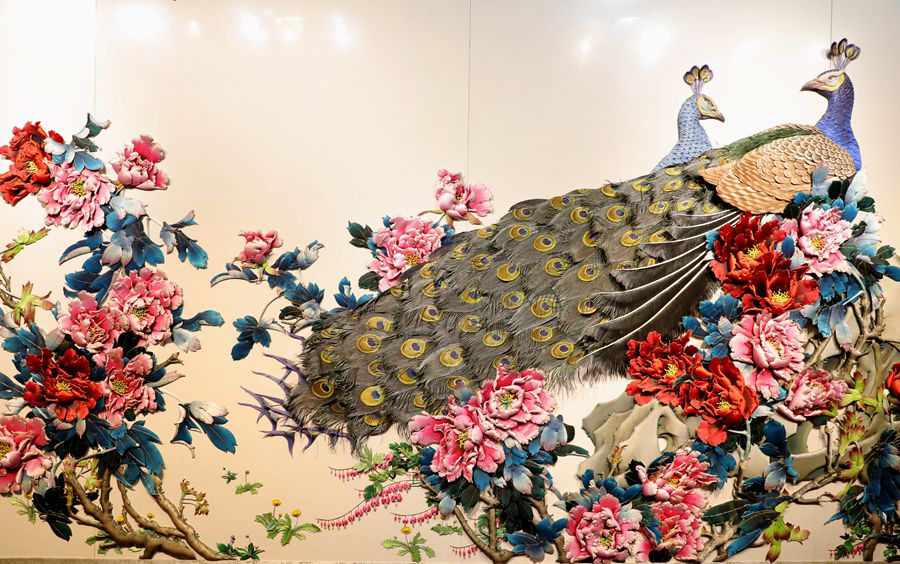
Cloth Paste Painting
Overview
Cloth paste painting is a traditional art form that involves using pieces of cloth to create intricate and colorful works of art. This unique craft combines elements of painting and collage, resulting in visually striking pieces that often depict traditional motifs and themes. The technique involves adhering various shapes and sizes of cloth onto a canvas or base material, creating a textured and layered effect. The cloth used in these paintings can vary in terms of color, pattern, and fabric type, allowing artists to explore a wide range of artistic expressions. Cloth paste painting is recognized as an intangible cultural heritage, celebrated for its cultural significance and craftsmanship.
Historical Context
The origins of cloth paste painting can be traced back to ancient times, although precise historical records are scarce. This art form has been passed down through generations, with each era contributing to its evolution and adaptation. Historically, cloth paste painting has been practiced in various regions, with each locale adding its distinct flavor to the craft. The art form gained prominence as a method of storytelling and cultural preservation, often reflecting the social and cultural landscapes of its time. Over the years, cloth paste painting has evolved, with contemporary artists incorporating modern themes and techniques while still honoring its traditional roots.
Techniques and Materials
Cloth paste painting is a meticulous process that requires a keen eye for detail and a steady hand. The primary materials used in this art form include various types of cloth, a base surface (often canvas or wood), and adhesive or paste to affix the cloth pieces. Artists typically begin by sketching a preliminary design onto the base surface. Once the design is outlined, pieces of cloth are cut into desired shapes and sizes to fit specific sections of the artwork. The cloth is then carefully pasted onto the base, layer by layer, to build depth and texture. This layering technique allows for a rich interplay of colors and patterns, bringing the artwork to life. The choice of cloth and the manner in which it is applied are crucial to the overall aesthetic of the piece, making each artwork unique.
Cultural Significance
Cloth paste painting holds a significant place in the cultural fabric of the regions where it is practiced. It serves as a medium for preserving cultural heritage, encapsulating traditional narratives, motifs, and symbols within each piece. This art form is often associated with cultural celebrations and rituals, with paintings being used as decorative elements during festivals and ceremonies. The skills and techniques involved in cloth paste painting are typically passed down within families or through community workshops, ensuring the continuity of this craft. As an intangible cultural heritage, cloth paste painting is celebrated for its ability to bridge the past and present, connecting people with their cultural roots while allowing for contemporary reinterpretations.
Article reference1. Annual culture tourism week begins in Jilin. chinaservicesinfo.com. 20212. Experts from UNESCO see intangible cultural heritage show in Hebei. chinadaily.com.cn. 2019Photo Gallery(1 picture)CategoriesArtsTagChinese PaintingCatalogue1. Overview2. Historical Context3. Techniques and Materials4. Cultural Significance-
- []








